

Description
Description
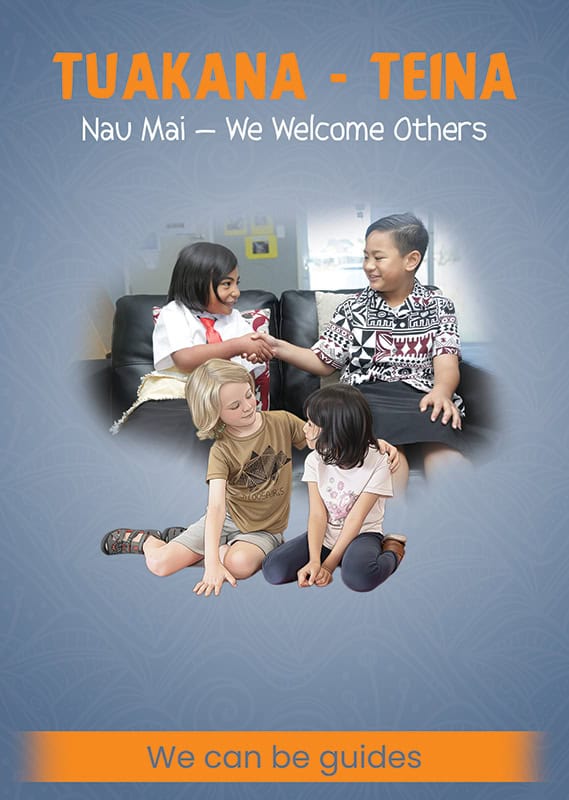
Support children to learn together and grow through relationships with this meaningful Tuakana–Teina Full Resource Pack.
Featuring downloadable resource cards, posters, and banners, this collection helps tamariki understand how to support, guide, and learn from one another. Grounded in the concept of tuakana–teina, these resources encourage peer learning, leadership, empathy, and shared responsibility in everyday moments.
Designed for Early Childhood and Primary learners, this pack fosters a strong sense of belonging, confidence, and collaboration—creating inclusive environments where every child can both teach and learn.
- Tuakana–teina & peer learning
- Leadership, empathy & responsibility
- Belonging, confidence & collaboration
Ways to Use at Home
Sibling Support & Learning
Encourage older children to support younger siblings through everyday tasks.
Shared Learning Moments
Promote learning together through play, routines, and conversations.
Build Confidence
Celebrate both helping and learning roles at home.
Talk About Roles
Discuss what it means to be a helper and a learner.
Ways to Use in the Classroom
Tuakana–Teina Pairing
Pair older or more confident learners with younger or developing learners.
Peer Learning Activities
Encourage children to teach, guide, and support one another.
Group Work & Collaboration
Use in group tasks to promote shared responsibility and teamwork.
Role Modelling
Highlight examples of positive leadership and support.
Classroom Discussions
Explore what it means to be a tuakana and a teina.
Visual Displays
Use posters and cards to reinforce expectations and values.
Inclusive Learning Ideas (Special Education Support)
Peer Support Pairing
Pair learners to support communication, understanding, and participation.
Visual Supports & Communication
Use cards to model helping behaviours and interactions.
Structured Interaction Activities
Guide learners through simple helping roles (e.g. “help pass”, “help show”).
Repetition & Routine Practice
Use regularly to build confidence in social interactions.
Small Group / One-to-One Support
Model supportive behaviours and scaffold interactions.
Celebrate Strengths
Recognise each learner’s strengths as both a helper and a learner.
Simple. Connected. Learning together.